

Vape Coil Showdown: Ceramic vs. Mesh – Which Engine Powers Your Perfect Puff?
Choosing the right coil is critical for your vaping experience, and the debate between ceramic coils and mesh coils dominates the conversation. While both serve the same core purpose—transforming e-liquid into delicious vapor—their underlying technology delivers vastly different results. Let’s dissect their structures and performance to help you find your ideal match.
1. Core Construction: Porous Ceramic vs. Precision Metal Mesh
- Ceramic Coil:
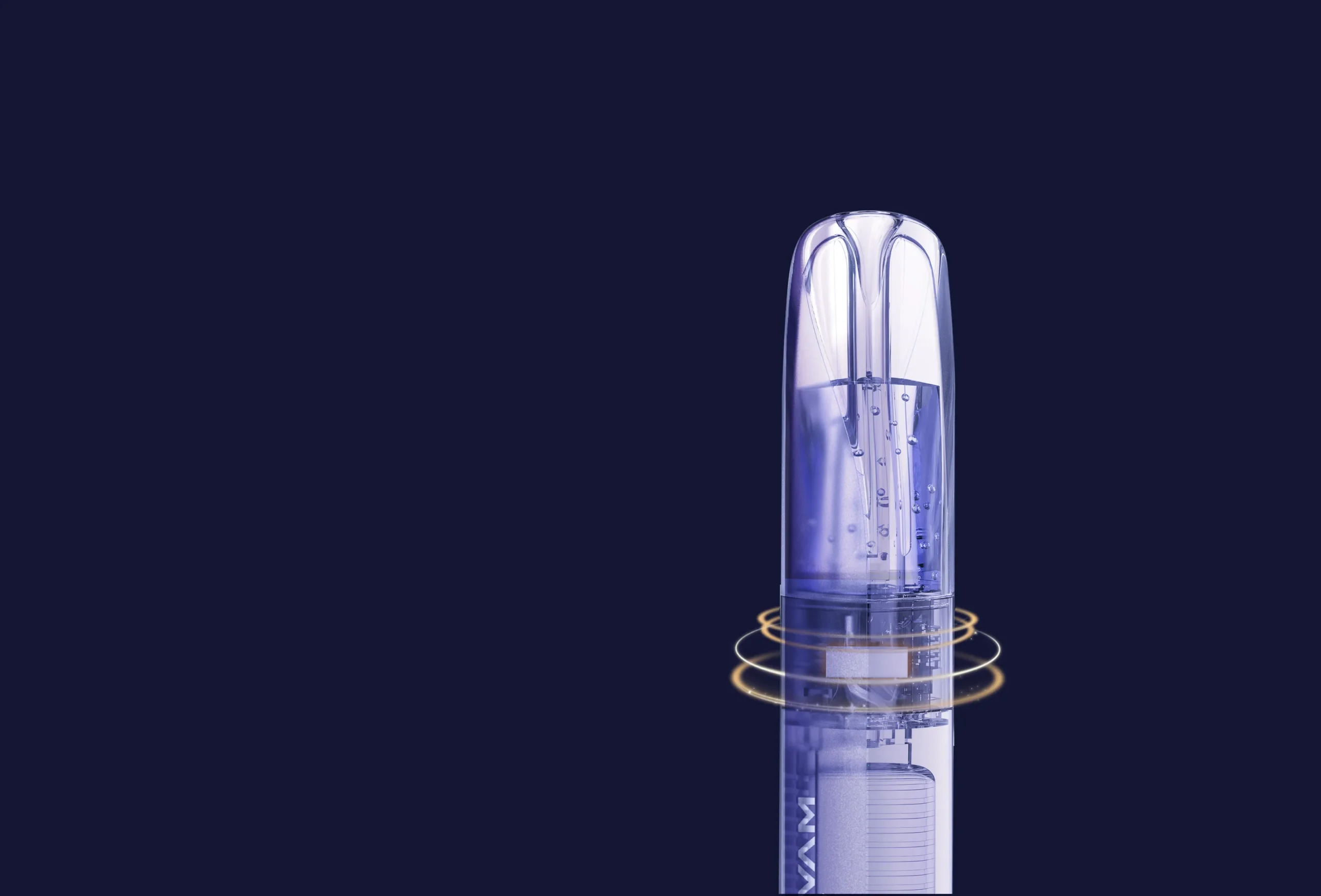
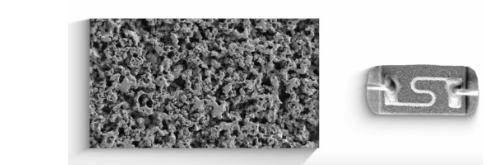
Built around a porous ceramic material (e.g., alumina, silica). Its structure contains a complex network of microscopic, interconnected pores. The heating element (resistance wire) is either embedded within the ceramic body or tightly bonded to its surface.
Think of it like: A dense sponge riddled with ultra-fine capillary channels. - Mesh Coil:
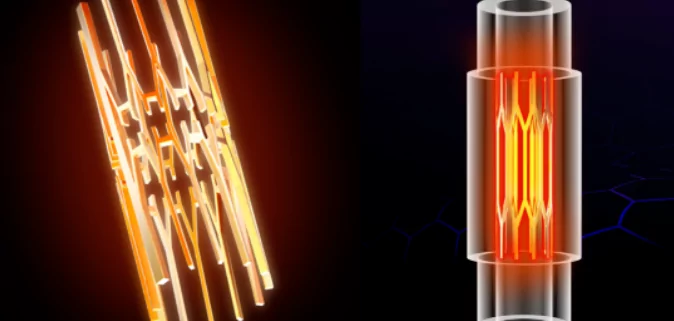
Centered on a fine metal mesh (typically stainless steel, nichrome, or kanthal). Thin wires are woven into a high-density mesh screen, which is then formed into a cylinder. The mesh itself often acts as the heating element, or a coil is wound directly onto it.
Think of it like: An incredibly fine metal filter rolled into a tube.
2. Performance Face-Off: Ceramic vs. Mesh
Feature | Ceramic Coil | Mesh Coil |
Wicking Principle | Capillary Action: Slow, passive absorption through ceramic micropores. Relies on e-liquid viscosity. | Direct Contact: E-liquid rapidly saturates the mesh surface and cotton (if present). Shorter, more efficient path. |
Wicking Speed | Slower & Steady: Less prone to flooding or dry hits due to controlled flow. | Extremely Fast: Large surface area enables rapid e-liquid delivery. |
Vapor Density | Moderate Clouds: Good vapor production, suitable for MTL/restricted DL. | Massive Clouds: High efficiency and surface area generate significantly larger vapor volumes (ideal for DL). |
Flavor Profile | Smooth, Rich, Nuanced: Larger vapor particles deliver pronounced throat hit and excellent flavor layering/accuracy. | Intense, Direct, Punchy: Finer vapor particles create concentrated, bold flavor with instant impact. |
Vapor Warmth | Cooler: Heat dissipates through ceramic. | Warmer: Efficient metal heating provides a noticeably warmer vape. |
Durability | Moderate: Ceramic is brittle; pores can clog over time, reducing flavor and lifespan. Hard to clean effectively. | High: Robust metal construction withstands heat and power better. Easier to clean (via dry burns). Generally longer-lasting. |
Leak Resistance | Generally Good: Porous structure helps contain e-liquid. | Variable: Fast wicking can increase leak/condensation risk if design/wicking isn't optimal. |
Power Range | Lower to Medium (e.g., 8W-30W): Best for MTL and lower-wattage vaping. | Medium to High (e.g., 40W-80W+): Excels at higher power for intense DL vaping. |
Ramp-Up Time | Slower: Ceramic body takes time to heat up. | Near-Instantaneous: Metal mesh heats up incredibly fast. |
Common Issues | Dry/Burnt Hits (if chain vaping), flavor fade, ceramic cracking. | Spitback/“popping” (if overwicked), potential leaks, dry hits at very high power. |
3. Which Coil is Right For YOU? Match Your Vaping Style!
- Flavor Chaser & Smoothness Lover? Choose Ceramic!
- Perfect for savoring complex e-liquid notes and enjoying a cool, smooth, consistent draw.
- Ideal for Mouth-to-Lung (MTL) or restricted Direct-Lung (DL) vapers.
- Great for beginners or those prioritizing leak resistance and simplicity.
- Cloud Chaser & Flavor Intensity Seeker? Choose Mesh!
- Delivers powerful, saturated flavor and massive vapor production instantly.
- The top choice for Direct-Lung (DL) vaping enthusiasts.
- Best for vapers wanting durability, higher power capability, and a warmer vape.
- New Vaper or Prefer Low Maintenance? Ceramic Might Be Easier.
- Less prone to leaking issues with proper use.
- Forgiving with lower power settings, reducing the chance of immediate burnout.
- Experienced Vaper or Performance Enthusiast? Mesh Unlocks Potential.
- Offers greater power flexibility and customization.
- Longer lifespan can mean better value over time (fewer replacements).
Pro Tips for Choosing & Using
- Check Compatibility FIRST: Ensure the coil is explicitly designed for your specific pod, tank, or device model.
- Respect the Power Range: Always stay within the manufacturer’s recommended wattage. Exceeding it burns ceramic; under-powering mesh causes leaks/spitback.
- Match Your E-Liquid: Thicker, High-VG juices might wick slower in ceramic. Thinner, High-PG juices could leak more easily in some mesh designs.
- Prime Your Coil: Always saturate a new coil with e-liquid and let it soak (5-15 mins) before firing to prevent dry hits.
- Quality Matters: Stick with reputable brands known for consistent coil manufacturing and materials.
The Verdict: Harmony, Not Hierarchy
Neither ceramic nor mesh is universally “better.” They are different engines for different journeys:
- Ceramic Coils: Excel in flavor accuracy, smoothness, and consistency at lower power. Your choice for a relaxed, flavorful MTL experience.
- Mesh Coils: Dominate in vapor production, flavor intensity, and power handling. Your go-to for powerful, warm, cloud-filled DL vaping.
Understand your priorities (flavor nuance vs. sheer power? cool vs. warm vapor? MTL vs. DL?), match your e-liquid, and respect your device’s limits. That’s the true secret to finding your perfect coil.
Ready to upgrade your vape? Explore our curated selection of high-performance [Link to Ceramic Coils] and [Link to Mesh Coils] designed for exceptional flavor and reliability!
What’s your coil of choice? Share your experiences and preferences in the comments below!